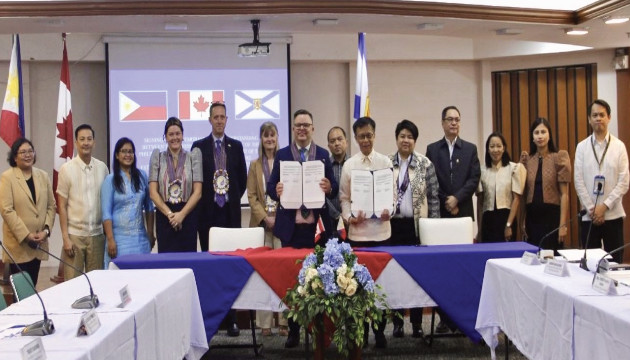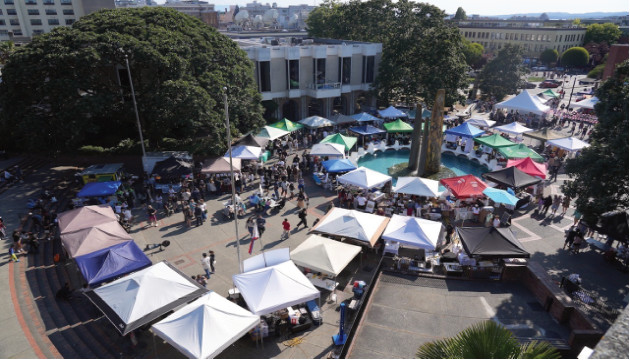
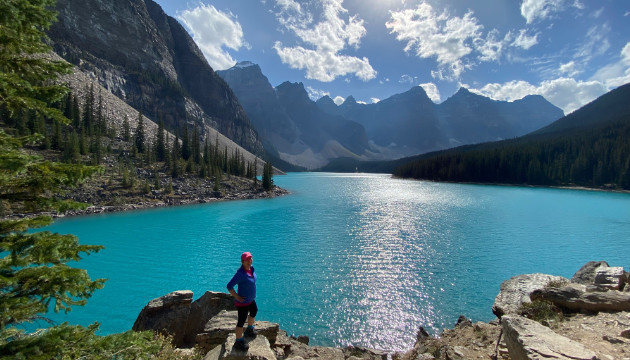
February 16, 2026 — When I was asked to deliver a land acknowledgement at an EDI (Equity, Diversity, and Inclusion) Committee meeting, I thought it would be simple — just name the traditional territories where my office sits. But how do I truly acknowledge the land that generously received me 18 years ago?
I arrived in Canada in 2008 from the Philippines as a first-generation immigrant, carrying hope, ambition, and gratitude. Canada meant stability — a place where hard work could lead to opportunity. What I didn’t understand then was the land itself.
I didn’t know Vancouver rests on the traditional, ancestral, and unceded territories of the Musqueam, Squamish, and Tsleil-Waututh Nations. I was busy surviving, adjusting, proving myself. Gratitude often comes before understanding.
Unsettling parallels
Years later, through listening and learning, I began to see unsettling parallels between Canada’s history and my country of birth. Before colonization, Filipinos were Indigenous — living close to the land, practicing rich traditions. Colonization didn’t bring progress; it brought erasure. Spain ruled for 300 years, followed by American occupation. Though Spain left 127 years ago and the United States formally departed 80 years ago, the effects on the Philippine nation remain.
Filipinos still wrestle with a “colonized mentality” — staying quiet, keeping our heads down, measuring worth through proximity to power. These survival strategies became ingrained, passed down through families, reinforced by systems that rewarded obedience and invisibility.
This helped me understand what Indigenous peoples in Canada carry today. For 121 years, policies like the Indian Act and residential schools enforced assimilation, not integration. Children were taken, languages erased, identities shamed. The last residential school closed only in 1997 — just 29 years ago. That’s not history; it’s memory.
When I walk through Vancouver’s Downtown Eastside or see Indigenous communities struggling with poverty, addiction, or homelessness, I resist narratives that frame these realities as moral failure or dependency. I see inherited trauma — pain passed through generations. And I recognize it, because many immigrants, including Filipinos, carry our own versions of it.
Different histories, similar wounds
Trauma doesn’t vanish with time. For Indigenous peoples, silences were enforced by law; for Filipinos, by centuries of colonial rule. Different histories, similar wounds.
At work, you see it in quiet diligence, in reluctance to speak up or ask for more. At home, it lingers in the way we raise our children, in the stories we tell, or don’t tell. These aren’t personal flaws; they’re learned responses to histories that taught survival meant being useful and invisible.
Understanding these realities of history changed how I see land acknowledgements. They’re not ceremonial. At their best, they invite us to situate ourselves honestly in history, to recognize who were here before us, and to ask what responsibilities come with belonging. Gratitude alone is not enough.
What belonging means
Belonging means committing to learning and unlearning — supporting reconciliation as a living process. Decolonization isn’t only about Indigenous peoples reclaiming what was taken; it’s also about settlers and immigrants examining what we’ve inherited and benefited from.
For me, this work is both external and internal: standing in solidarity while confronting colonial legacies in my own history, questioning systems I benefit from, and listening to voices long silenced. It means telling these stories — connecting Filipino histories with Indigenous histories here. Because when we see those connections, empathy grows and flourishes.
Land is relationship
This land didn’t just receive me in 2008. It continues to teach me that land is more than geography; it is relationship.
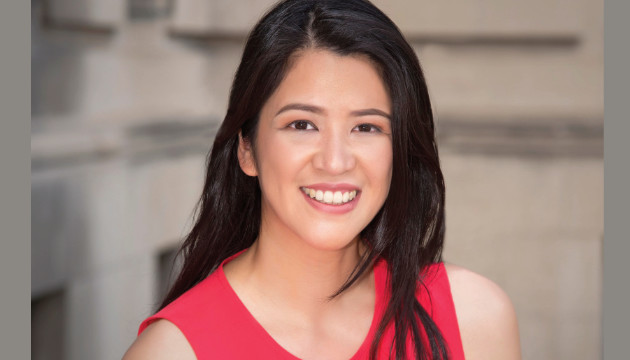
Emmy Buccat is a Filipino Canadian writer and nonprofit professional advancing philanthropy in higher education in Canada, with a focus on equity and inclusion. In From the Thresholds, she writes reflective, analytic essays exploring Filipino culture, traditions, and community through the lens of first-generation immigrant life in Canada. The series lingers with questions and traces how our everyday lives unfold within the systems Filipino Canadians move through.