
November 1, 2026 — What happens when a Filipina falls in love with a white man? Is it simply a love story, or does it come with assumptions about race, money, privilege and social status?
These questions sit at the heart of First Comes Love: Nakabingwit, a 65-minute documentary by Filipino Canadian filmmaker Joella Cabalu, produced by the National Film Board of Canada. Premiering at the Vancouver International Film Festival (VIFF), the film is both engaging and thought-provoking.
Blending humour with the conventions of a romantic comedy, Cabalu introduces three Filipina women and their white partners. Through candid conversations and everyday interactions, the film reveals that interracial relationships involve far more than cultural differences. They also require confronting assumptions about identity, power and privilege.
The title itself carries considerable cultural baggage.
Nakabingwit literally means “caught with a hook and line,” but in Filipino culture, the phrase nakabingwit ng AFAM (a foreigner, often assumed to be a white Western man) is often used to suggest that a Filipina has secured a financially stable partner. The expression nakaahon sa hirap, or having escaped poverty, often follows.
Why should a Filipina's relationship with a white man be viewed through economic opportunity rather than love? Cabalu explores these questions through three relationships.
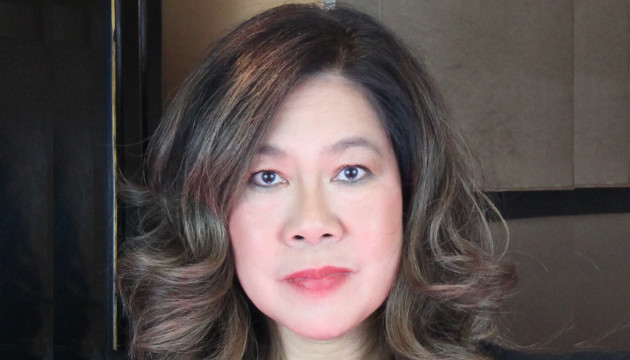
In Montréal, Veronica Bertiz and her Francophone partner, Mathilde Saint-Marie, discuss class differences, domestic labour and politics. Veronica reflects on growing up with household help in the Philippines, yet feeling like the maid in her own relationship. Their conversations also touch on differing views about former Philippine president Rodrigo Duterte.
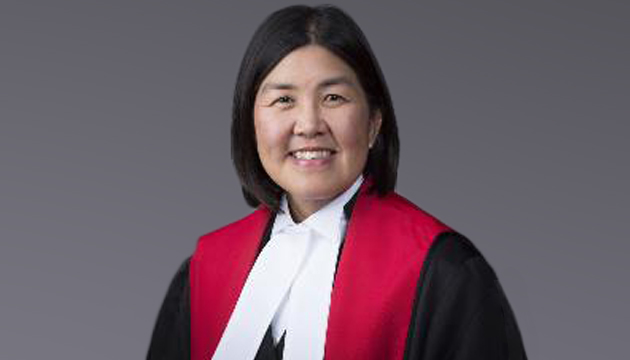
In Vancouver, Rhea Paez and her husband, Eric Lotto, share their experience raising mixed-race children. Through food, traditions and conversations about beauty, they encourage their children to embrace both their Filipino and Italian heritage while recognizing that whiteness often remains a dominant beauty standard.
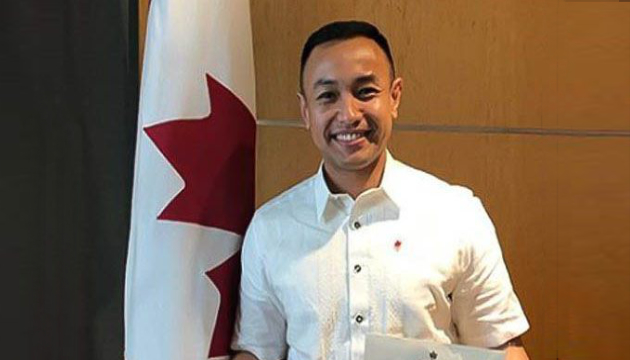
In Toronto, Justine Abigail Yu and Dominic Pollard confront assumptions others make about their relationship. Justine recalls deliberately speaking in her Canadian accent while travelling in Southeast Asia to challenge perceptions that she was somehow subordinate to her white partner. Her experiences helped inspire the documentary after she posed a question online during the pandemic asking women of colour how they navigated relationships with white partners.
Cabalu's lighthearted approach makes these sometimes-uncomfortable conversations accessible, allowing humour and vulnerability to coexist without diminishing the seriousness of the issues. Giggles and chuckles rippled through the audience at the VIFF screening, reflecting something distinctly Filipino: an ability to find humour even in difficult and deeply personal conversations.
One of the film's most compelling themes is emotional labour. How much responsibility should a woman of colour bear in explaining racism, privilege, and cultural differences to her partner? And how does a white partner recognize advantages that may be invisible to them?
The documentary reveals how power and privilege often operate in subtle ways within interracial relationships. Privilege can be difficult to recognize when it is part of one's everyday experience. Two people may experience the same situation very differently, and good intentions do not always guarantee that both partners feel equally understood or respected.
Ultimately, First Comes Love: Nakabingwit is about more than Filipinas dating white partners. It is a thoughtful examination of how love intersects with race, class, identity and belonging. Cabalu reminds us that while love may be universal, lived experiences are not.
The film's lasting insight is that meaningful connection requires more than affection. It requires the willingness to listen, learn and bridge differences that love alone cannot erase.

Emmy Buccat is a Filipino Canadian writer and nonprofit professional advancing philanthropy in higher education in Canada, with a focus on equity and inclusion. In From the Thresholds, she writes reflective, analytic essays exploring Filipino culture, traditions, and community through the lens of first-generation immigrant life in Canada. The series lingers with questions and traces how our everyday lives unfold within the systems Filipino Canadians move through.